The Whole Fleet

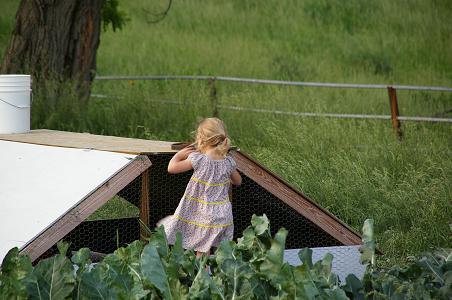
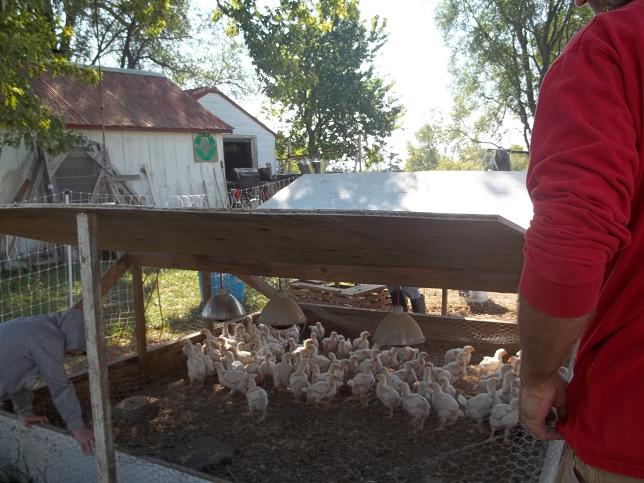
We built our recent chicken tractors after those of Joel Salatin.  The term Chicken Tractor, as near as I can tell, is something Andy Lee gave us.  In Pastured Poultry Profits Mr. Salatin describes a 10x12x2 structure that is lightweight and fairly easy to move.  We built ours as 12x8x2 but otherwise the original tractor is quite similar.  We built it out of scrap material we had laying around.  What could be better?  …or heavier?
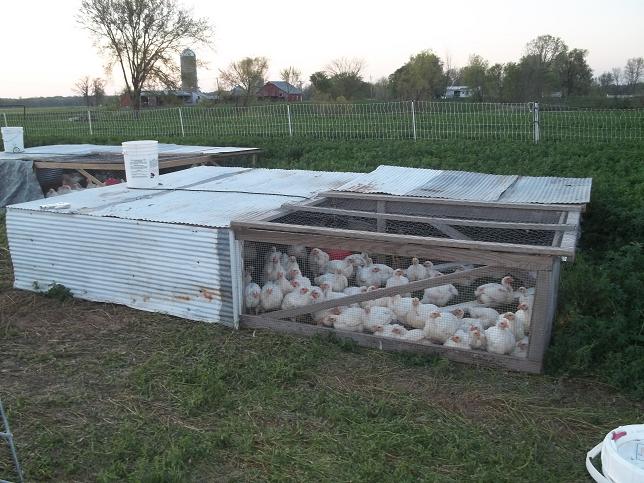
That thing is a tank.  It has all kinds of bracing and is made with heavy steel siding rather than the prescribed aluminum.  But, it works.  When we were designing the second tractor we went with fewer braces and lighter steel.  The result was better but not great.

It may not look a lot different but it is a lot lighter.  I was bitten by the bug.  I built a third chicken tractor to see how light I could make it.  Further, I built the third to address a serious issue, heat.  I left the sides off entirely so the wind could blow through and keep things cool inside.

It worked remarkably well.  It is light but won’t blow away in 50 mph March winds.  It stays much cooler than the other two tractors.  But there is a problem.   This spring I have lost zero chickens in the other tractors but I have lost four in this one.  Four.  For those of you playing the home game, that’s a big number.  There appears to be something about that open side that stresses the birds.  I now have a tarp covering the South side of the tractor as it is light, portable, inexpensive and temporary.

That takes us to the fourth tractor design, a radical departure from what we have seen so far.
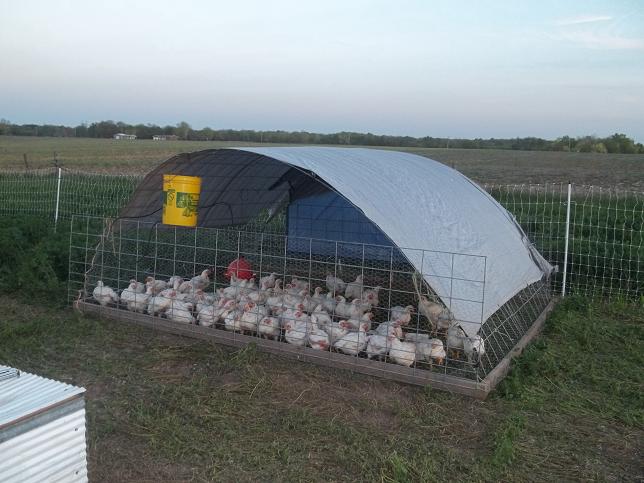
This tractor is the cheapest to build, the fastest to build and the most versatile.  I took one side off for the winter and raised 6 hogs in it.  I could imagine putting weaner pigs in one and moving it daily like they were chickens until they were big enough to escape, though I suppose one could wrap the interior with electric fencing to keep the pigs from rooting out.  I could also imagine using it for a calf shed or a hoop house.  The point is, it’s multi-purpose infrastructure.  We see these as the future of our fleet.

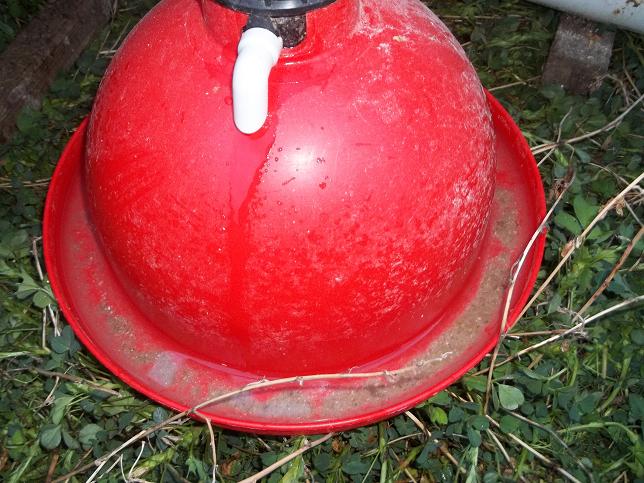
All four tractors use Plasson bell drinkers that are gravity-fed from a bucket.  We use 4″ PVC pipe cut in half lengthwise as a feeder.

Take a moment to imagine your perfect chicken tractor before you build it.  After you build it, take notes on what you would like to do differently.  Don’t be afraid to break from the norm.  By your third or fourth tractor you may have something that fits your organization’s goals.  Mac Stone of Elmwood Stock Farm says before long you’ll end up with a whole fence row of what you thought was the perfect chicken tractor design.
Bringing Up the Average

“Let’s raise a few hundred meat birds and try to sell them.  What’s the worst that could happen?”

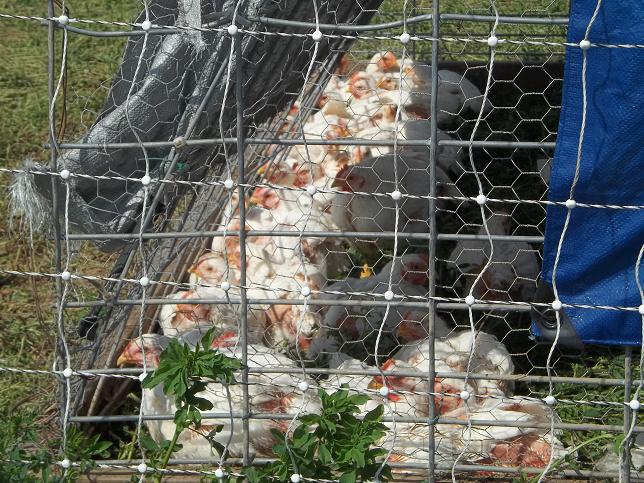
That’s a pretty naive question.  I asked it once.  Lots of things go wrong but I’ll share the one I fear the most.  Chicken death.
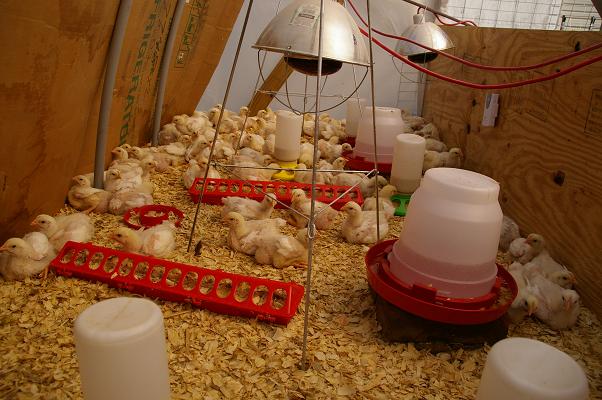
Chicks just die.  They may die from being abused or neglected by postal workers.  They may be eaten by snakes or bitten by rats.  They can get any number of ailments; curly toe, pasty butt, coccidiosis.  Some of these can be prevented with diet and hygiene but sometimes they just die for no reason.  Chicks can get too hot.  Chicks get cold and pile on top of each other, killing the ones at the bottom.  Worse, the smothered chicks don’t die and you waste a few days nursing a dying chick along.  Then it dies.

Let’s say you got them through the critical first 5 days and they survived the two or three weeks before you put them on grass.  You kept things clean and kept them healthy and they are ready to go to pasture.  Once there they can die from heat, cold, raccoons, skunks, opossums, minks, cats or dogs.  Everything thinks a chicken is tasty.  I take precautions to keep the birds safe from predators with electric netting but nothing is perfect.  Even if the netting works buffalo gnats can suffocate them.  Hot weather or cold weather will kill them.  Heavy rain can drown them and wind can crush them under their houses.  A waterer can clog on a hot day and they’ll all die.  They can get run over by the wheels on the chicken tractor dolly.  They frequently die of heart attack, especially as they get older, though this is manageable.  Honestly I pray for safety every night my chickens are on pasture, pray every morning when I get up and pray every time I peek in the tractor.

I want to emphasize that these are fragile little creatures that taste good to predators.  Even with good management bad things can happen.  I lost nearly 30 layers to one mink in one night.  I can’t tell you how sad I felt when I opened the door to the chicken house and found all those chickens piled up on the floor.  Then, the next night, I saved the remaining 40 layers when I shot the mink in the hen house.  I’m not out in my field hunting down everything that shares my farm but I have an obligation to take steps to protect the animals in my care.  That mink found a way into my Ft. Knox chicken house two nights in a row.  That’s enough.

This is a part of why pastured products cost more.  Not only do my animals live normal chicken lives in the sun and grass, not only do they eat real, whole grains instead of leftovers from manufacturing processes, I expend a tremendous amount of time per animal watching over them.  A mass-produced, confinement bird can live or die.  A chicken that costs less than $1/pound was never cared for, let alone allowed to embrace it’s inner chicken.

To recap, it’s really, really hard to keep the meat birds alive for 7 or 8 weeks.  We are better at it than most but still have room for improvement.  It saddens me to find a dead bird, not because of the financial loss but because it means I failed in my part of the agreement.  I provide health and safety for a short time.  They pay me back with a meal.

Chickens like sunlight.  They like to scratch in the dirt, eat bugs and really enjoy eating greens.  These are things denied to all but a few chickens in this country.  Find yourself a farmer who is willing to make the chickens happy.  His chicken will cost more.  His chicken is worth more.

Creek Sand?

My friend Darby and I were discussing things we do to ensure chick vitality.

Me: “Kelp, creek sand and restricted feed go a long way toward happy birds.”

Darby: “Kelp and creek sand?  Can you elaborate?”

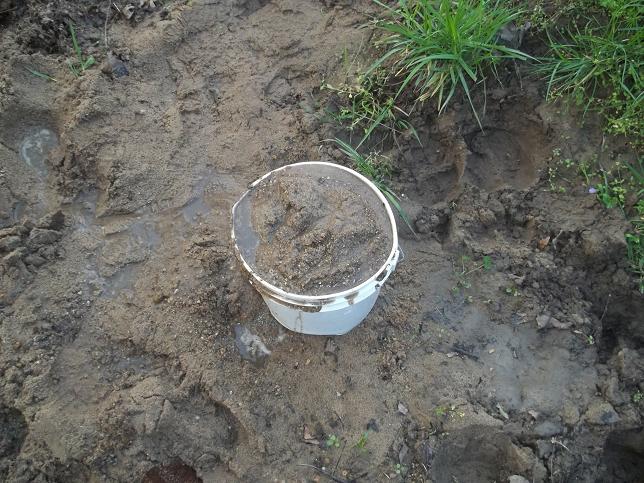
Well, here is the skinny on creek sand.  I go down to the creek (well, the branch) with a bucket and a shovel.

I’m not concerned about getting pure sand, a specific size of the sand or even looking for dry sand.  I just fill the bucket.  The chicks will pick out their favorite bits and everything will be just dandy.  Further, there are small organic bits mixed with the mud and sand as well as small organisms the chicks seem to really enjoy.

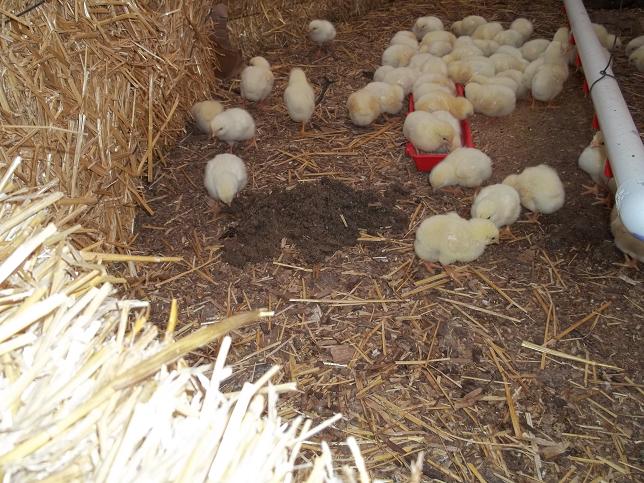
It is important that my day-old chicks have access to sand as soon as possible.  They may totally ignore it.  That’s fine.  It will mix into the bedding or will be there when they dig around later.  But they will eat some, days later they will eat more.  The sand cost me only a stroll down the hill so I don’t mind if they seem to ignore it.  Further, this costs $0 in fuel and there’s no sales tax.  (insert evil laugh)

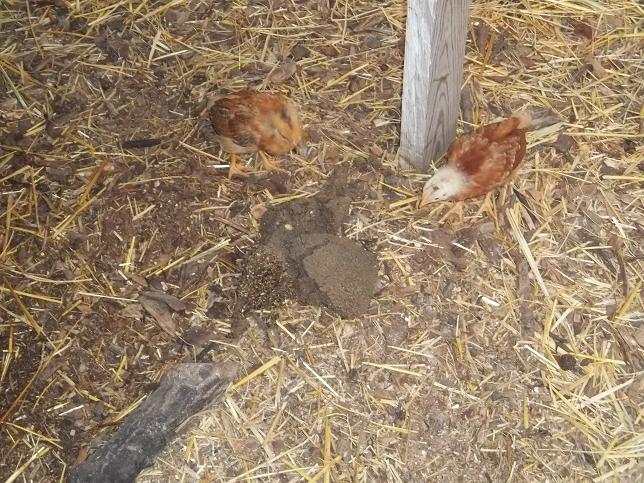
I also put small shovels of sand out for the young pullets and ducks.  Again, they pick out what they want and incorporate the rest into the bedding.  A little sand is a good thing in compost.

Because chickens don’t have teeth they use their gizzard to grind up the food.  The gizzard is just a muscle so rocks stored in the gizzard enable the chicken to utilize feed more efficiently.  By providing creek sand I’m giving the chickens a variety of rocks to pick from and additional nutrition at essentially no cost.  I don’t have to be stingy about creek sand as noted by my friend Darby after he tried it.

D: “Those chicks tore that creek sand up!  Thanks for the suggestion.  I’m also finding that I’m not stingy with it, since I didn’t have to pay for it.  I’m sure it will [make] a nice difference.”

All of this was detailed in Salatin’s “Pastured Poultry Profits” on page 45.  If you are considering raising poultry on pasture, be sure to read this book.

Movement

In a perfect world I would move my animals every day.  I would prefer to let them just eat fresh salad every day and escape their manure.  Since I have a town job we just don’t have the time.  The broilers get fresh alfalfa every morning, the cows get fresh grass every morning, everything else moves Wednesday and Saturday.  Again, this is not ideal but we just have to do the best we can.

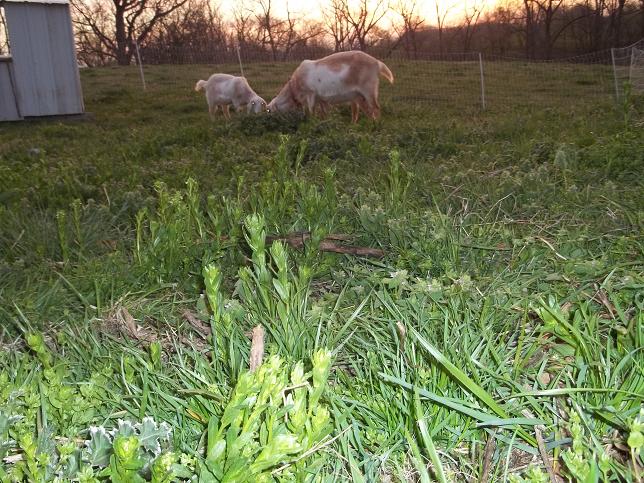
What am I accomplishing with all this rotation?  I’m knocking back the weeds in the pasture in an effort to give the grass a better start.  What weeds?  These weeds.

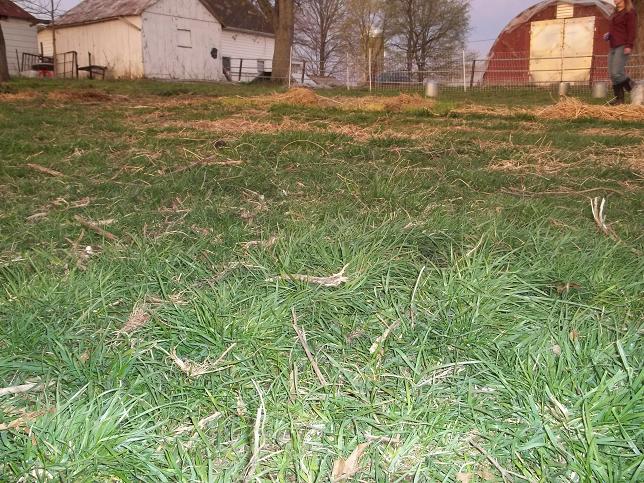
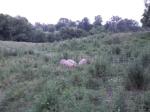
Here’s a shot across the pasture as the goats enjoy breakfast.

You can see it’s a weedy mess.  Have we got biodiversity or what?  My pictures don’t capture it but there are any number of elm, hedge, locust saplings as well as multiflora rose coming up in the pasture.  The goats put an end to them all.

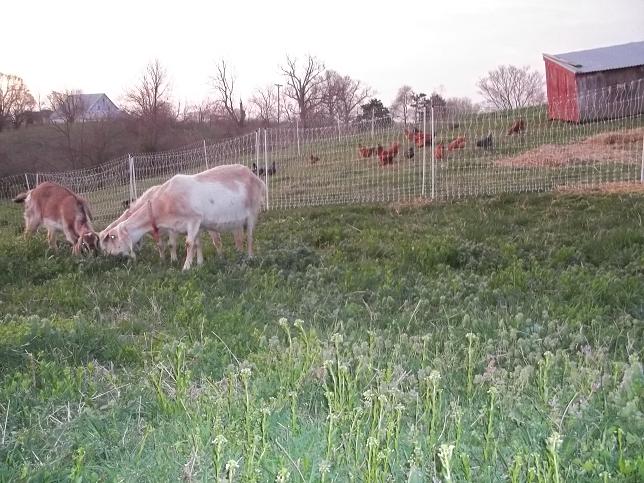
We follow the goats with chickens.  They do a good job cleaning things up, scratching through dropped hay, aerating the soil, eating bugs and adding more manure.  Here the chickens have been turned out where the goats were 5 minutes ago.

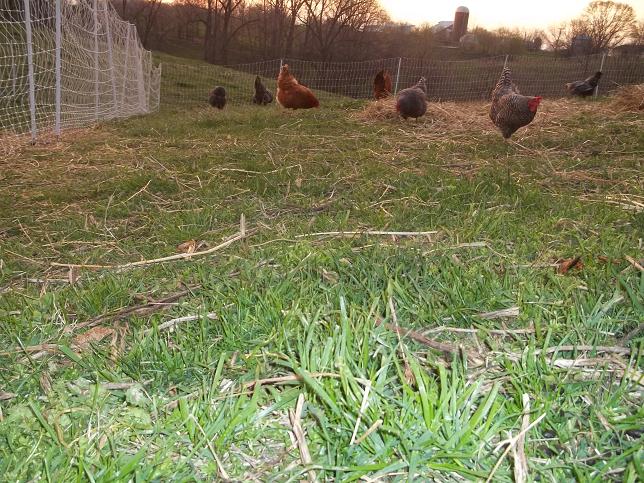
Let’s go in for a better look at the pasture I just turned chickens into.  You can see the goats were here.

The birds are working hard.

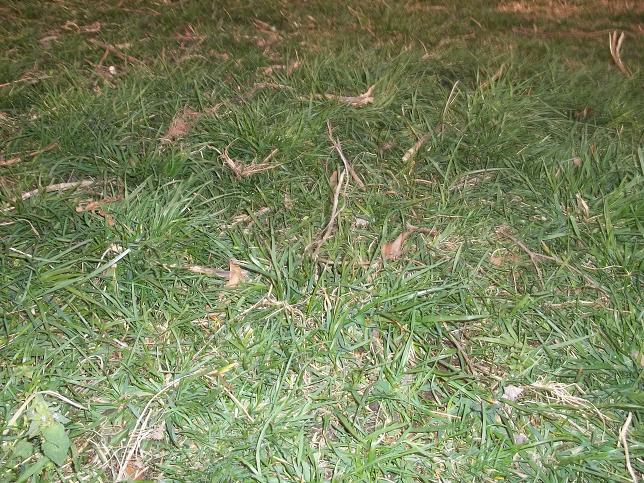
The goats worked their magic but you can see there are still some weeds they left behind.  The chickens will clean that up.  Let’s take a look at the pasture the chickens just moved out of.

Very few weeds left.

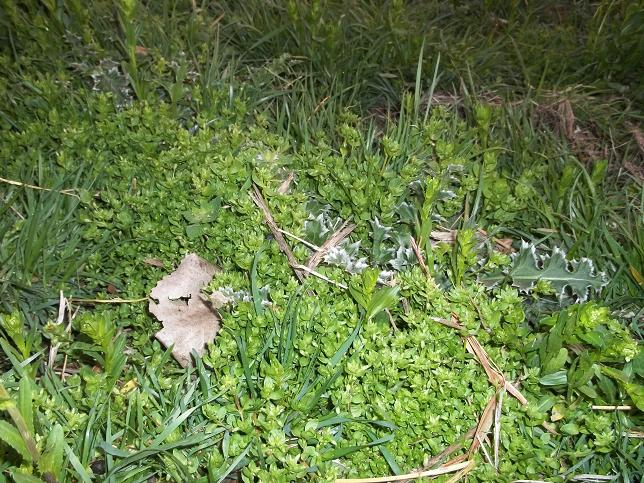
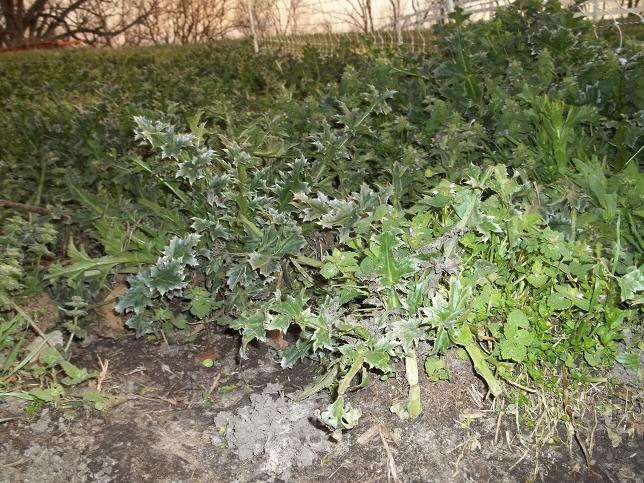
But, under the maple and walnut trees there is very little grass.  In fact, it’s mostly chickweed.  You can see a distinct line in the chickweed where the fence prevented the chickens from grazing.

Nobody wants to touch the thistle but the chickens will scratch around and under it.  I’m going to have to chop these manually.  Ugh…

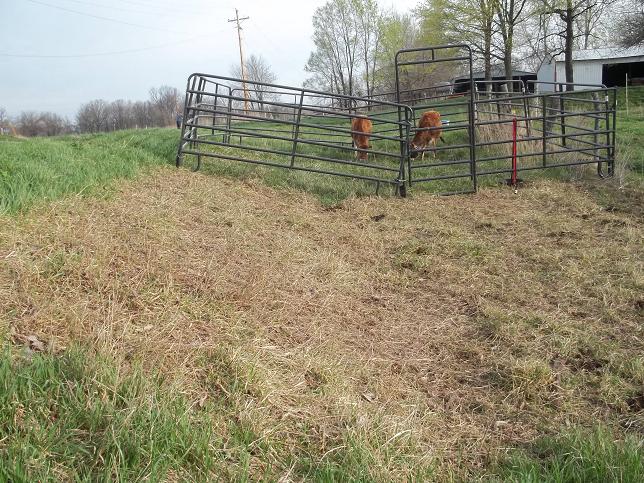
Finally, you should see what the cows do to a pasture in about 18 hours.  These are two 600# heifers grazing 10′ from the road in a place the highway department mowed late last summer.  They are contained in a 24×24 corral so we don’t chance them getting into the road.

Every inch is manure, hoof prints or trampled carbon.  I put a lot of pressure on this spot trying to beat back the brush and increase fertility, diversity and quality.  Once I can graze my cows with the goats we’ll really fix some carbon.

The pigs haven’t been moved yet today.  I’m a little undecided about what section of the pasture I want them to renovate.  Also, I have to get to work and it’s almost 8 already.

Time to make the chickens happy

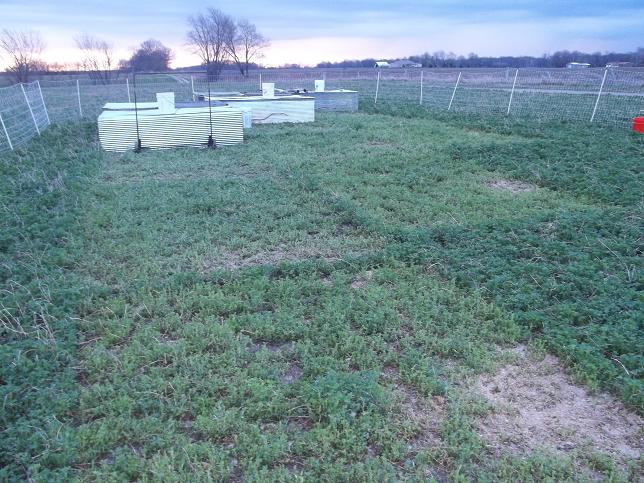
Like the guy who gets up early to make the doughnuts, I get up early to make the chickens happy.  Every morning they get clean sheets, fresh water and a nice breakfast of fresh greens and feed.  For reference, here is tomorrow’s alfalfa:

This is the alfalfa minutes after I moved the tractor.  See how much is stepped on and eaten?

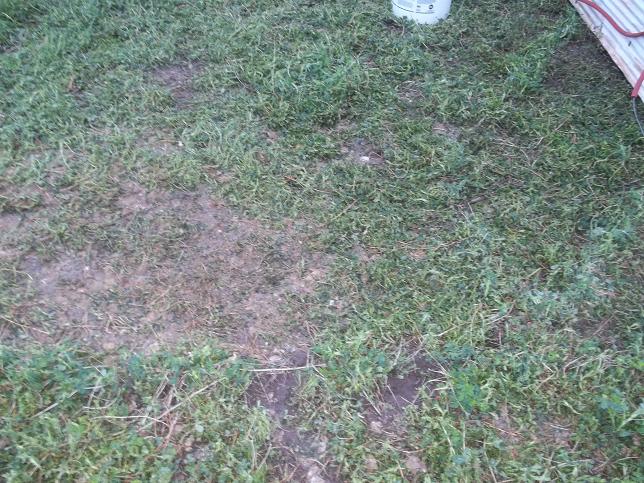
This is the alfalfa they just left behind.  Can you see where the waterer was?  How about the edge of the tractor?

You can see where the tractor has been over the last few days.  You can also see where the chickens sleep.

Intense disturbance followed by rest should make a similarly visible positive difference when the plants fully recover.

I should also point out that the waterers need nearly constant attention.  I keep a toilet brush with the tractors so I can scrub out the bell waterers several times/day.

The Broilers take the field…

Tuesday’s morning forecast called for 45 degrees but from then on it isn’t supposed to get below 50…for a while.  It snowed on April 20th four years ago and it frosted last May on the 10th so we’re crossing our fingers here.  We felt it was safe to move half of the broilers out to pasture Monday, the rest on Tuesday since they will have a week of warm, mostly dry weather to acclimate to their new home.

We bought these chicks from Schlecht Hatchery in Iowa.  Schlecht is nice as could be to work with, not too far away, their chicks are reasonably priced and, most importantly, we have a very high survival rate with their birds.  I believe they shipped us 309 chicks and 305 made it to the pasture.  That’s a pretty high percentage for anyone raising CX chicks but I would like to do better.  Some of the success was due to our management but Schlecht chicks are pretty reliable.  One batch we got from Schlecht two years ago saw 100% survival rate from post office to slaughter.

The method is simple:
1. Corner 10 or so chicks in the brooder with a sorting board.
2. Load them, 50 at a time, into the transport boxes.
3. Haul to the alfalfa field (200 yards away).
4. Unload.
5. Add feed and water as needed and fresh pasture daily until grown.
6. Kill, scald, pluck, eviscerate and chill then stuff with onion, coat lightly with butter, salt and pepper, roast at 350 for a couple of hours and serve with your favorite sides.

Bonus: We are putting down something on the order of 300 pounds of nitrogen per acre while debugging our alfalfa crop.  The second and third cuttings will be amazing!

Here are some pictures:

This slideshow requires JavaScript.

Here are some excellent books on this subject if you are interested in more information:
Pastured Poultry Profits by Joel Salatin
Raising Poultry on Pasture from APPPA
Chicken Tractor by Andy Lee

Time to sprint!

Our primary sponsor, my employer, needs my attention during the best 8 hours of the day.  That means we get up early and stay up late.  Let’s run down Monday evening and Tuesday this week.  I got off work around 4 Monday, knowing I had more work to do in the evening.  I began building a compost pile.  To build that pile I had to haul the goat manure from the winter goat pasture to the new pile; wheelbarrow after wheelbarrow, manure fork after manure fork.  While I was busy with that, the oldest two children were cleaning out my daughter’s chicken house.  That required one wheelbarrow plus four 5-gallon buckets then they refilled it with fresh material.  The bedding from the primary layer house and a nice, rich haul from the brooder completed the pile.

When the compost pile was finished, my oldest son and I loaded up the tractor with portable fencing and some wiring to complete the circuit to the newly repaired fence.  With the broilers safely surrounded we walked to the barn to get hay for the cows who are currently rotating around the pond, then reconfirmed that the fence was working and the chickens looked comfortable.

Once home again I fed the goats, ate a quick dinner (baked rabbit wrapped in bacon with green beans, salad with guacamole, and honeydew),  tucked in the kids and went out to grind feed for the broilers.  We finished up around 10:00 and came in to watch a bit of Dr. Who (Third Doctor) before falling asleep.

We were up again at 6:00, before it was foggy, and I went out to the pasture to check the broilers.  Everybody came through the night (I was a little nervous).  I walked back to the house and began loading up the remaining 150 broilers.  As the sun came up fog started rolling off of the pond South of the house.  The wind drove the fog North so as I drove the tractor full of chicks out to pasture I passed through a dense fog.  Chicks were all happy to settle in and started eating immediately.  I showered, packed up eggs, hopped in the car and headed off to my real job while the kids had an adventure.

Home again and the chores were waiting for me.

It’s a busy time of year and we’re often sore and short on sleep.  The work is enjoyable, the weather is unseasonably fantastic and we are making a positive impact in our family, our community and the local ecology without shorting my employer.  It’s time to sprint!

Out to Pasture

Last year the goats hatched an escape plan around March 20th.  This year we headed them off by opening the grazing season early.

There are a number of weeds growing right now and the girls are eating them up.  Well, everything but the thistle.  I guess when there is fresh, soft and tender you don’t mess with the fresh, course and thorny.

This is the same plot that had 3 pigs rooting on it last July.  The pigs above really gave the pasture a workout then we let it rest and recover.  You can see the weedy mess that is our pasture.  We’re working on it.  The goats are helping.

The cows are still on stockpiled grass while I’m waiting for the grass to really take off.  I plan to put the cows in with the goats and rotate them together.  We’ll see what really happens.

More manure than you bargained for

We have all had a cold this week so I am delayed in cleaning the brooder. Today I hauled out three wheelbarrows full of chicken manure/sawdust from the broilers.  This is a normal amount but the bedding is more soiled than normal.

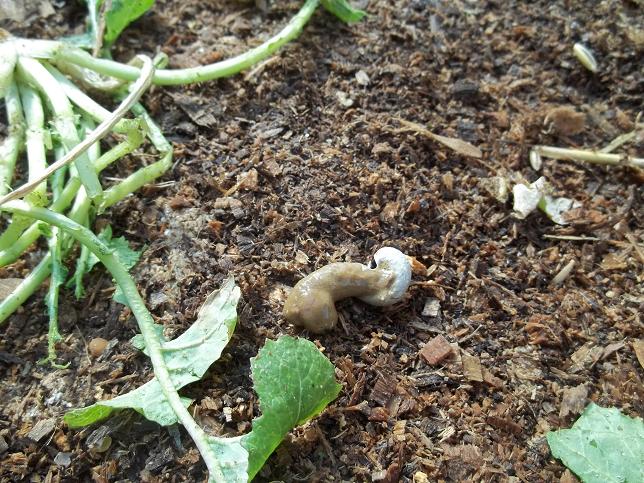
I returned with two wheelbarrows of composted sawdust.  Under the watering nipples the bedding was completely soaked.  Any feed that falls there ferments and whole kernels sprout.  As I scrape and shovel I have many little helpers looking for something tasty to eat.

I have shoveled out the bedding on the left, you can see a dense layer of manure on the right.  I work to be as honest as possible on this blog.  I want you to really see how it is.  Birds poop.  A lot.  If you are not able to stay ahead of it (like, when you get a massive head cold) the poop gets ahead of you.  Adding bedding is a daily chore, leaning toward twice daily as the chicks grow.  I can’t wait to move them to pasture next week.

When we went to the Missouri Organics Conference we met with Jay Maddick of Campo Lindo Farm.  He raises broilers start to finish in hoop houses with access to the outdoors.  I can’t imagine where he sources fresh chips, how he handles soiled bedding and how he manages to compost it all.  I am anxious to visit his farm and find out.  Oh, the compost!

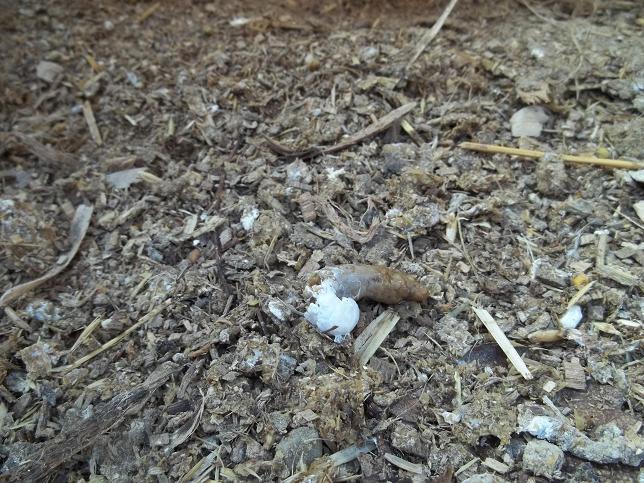
Believe it or not, chicken manure is a topic of much discussion online.  This is what I believe your broiler poop should look like (Please note the lack of blood in their stool):

I have only gotten bird poop that looks like bird poop, as opposed to runny yellow fluid, by feeding Fertrell suppliments.  Purina Sunfresh goes in yellow and crumbly and comes out yellow and runny.  Same for Dumore.  When we started grinding and adding Poultry Nutri-Balancer we saw a huge change in consistency and in animal health.  We also saw the end of curly toe in our chicks as that is indicative of a riboflavin deficiency and Nutri-Balancer has kelp.

You can see in the picture, our broilers get more than just feed.  Today they got turnip greens fresh from the garden.  Dad always plants too many turnips so we end up carrying them through till spring.  Also, I gather hay chaff in the late fall.  I dump in several handfuls of alfalfa chaff each day.  I can’t promise you’ll taste the difference by adding greens.  I can only tell you my chickens are healthy, happy, have interesting things to peck at and play with, a varied diet and healthy-looking manure.  When a customer stops by to see how their chickens are doing, I hope they are pleased with our efforts.

Ghosts of brooders past and present

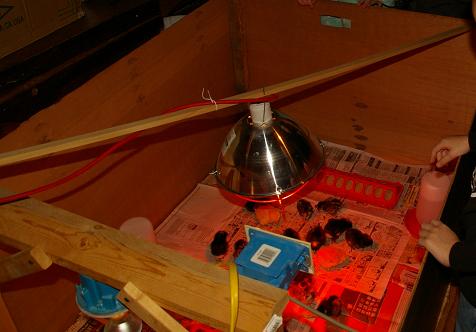
Chickens are a good place to start.  They are small, require a small investment and a quick turnaround.  We started with layers we ordered from a hatchery and, boy, were those city postal workers surprised when the package came through.  I built a brooder out of a 4×8 sheet of plywood saved after a home remodel job sitting on another sheet of plywood I got from my neighbor’s trash.  Yeah, we didn’t fit in the suburbs.  Please notice the heat lamp hanging from a scrap strip of pine board.  Not the best idea but chickens seem to manage in spite of owner inexperience/foolishness/incompetence.

We also used this brooder for the first few batches of broilers but a 3’x5′ brooder is cramped quarters for 50 broilers.  We tried raising 100.  Out of desperation we rapidly graduated them to a portion of the greenhouse…the old, tiny, PVC, ultimately-destroyed-by-a-strong-wind greenhouse.

The following year we used a cracked 300 gallon watering trough for a brooder.  Talk about an improvement!  Here it is brooding our turkey poults with broilers.  (They bunched up for the picture…)

Then things got out of control.  We were running 150 chicks in a batch, slaughtering every other Saturday so we built two of these outside:

This is an 8×8 brooder with four heat lamps.  The lids on each side are full 4×8 sheets.  We use a Plasson bell waterer gravity fed by a bucket once the birds graduated up from the quart drinkers.  Here’s a shot of the birds as we pack them off to pasture:

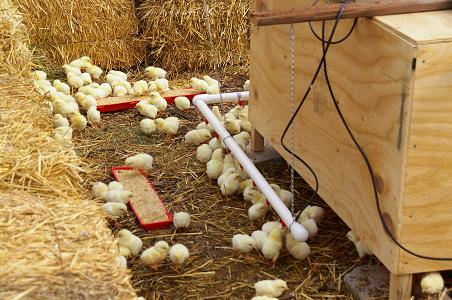
I really feel the 8×8 brooder pictured above was excellent for our purposes.  The birds had room, fresh air, they were easy to access and safe from predators.  But what do you do when you move to 300 chickens per batch?  You move to the new greenhouse.  I built a 2′ tall 4×4 brooder that the chicks can enter and exit under each side.  There are four lamps inside on two switches so temperature regulation is easy.

Now, I want to point out some major advantages of the current brooder and changes to this year’s management.
1. We moved away from quart or gallon drinkers and picked up some watering nipples.  These are screwed into a PVC pipe, gravity fed from a bucket.  The pipe wraps around all four sides of the brooder.  The birds can’t scratch manure into the bowl since there is no bowl.  This is a huge plus to animal health.
2. We are now using course hardwood sawdust for bedding.  I had 4 tons delivered for $130 as opposed to the pine chips used in previous years that were $5/bag or something like $1500 for 4 tons.  Plus the hardwood chips have been outside for months and are full of interesting things to peck and scratch.
3. Space available to the chicks is only limited by how many straw bales I want to surround them with.  They have room to run and run they do.
4. The top of the brooder is a large, warm, dry area perfect for starting my bedding plants.
5. With everything out in the open, it is a simple matter to add bedding, fill feeders or do whatever needs done.
6. This was cheap to build.   It’s one and half 3/8″ pine sheets and an 8′ 2×4 with four ceiling light boxes, four bases, 8-10 feet of wire, two switches and a plug.  I think it took about 40 minutes to put together and wire up.
7. It is easy to just sit and play with the chicks.  We or our guests can just sit on a straw bale and enjoy the commotion.  That hasn’t really been possible before.

Everything changes.  Everything has to change if I am going to create the best possible environment for my animals.  I have to try something, observe, record, reflect and try again.  Thank God we do this work seasonally so I have time for reflection.