Thrifty Homesteads and Family Fortunes

Sorry for the lack of posts lately.  The weather is great outside right now and my to-do list just seems to grow.  We’re not even finding/making time to read right now.  My pile of unfinished/reread/just for fun books grows…
It’s all compost and gardens with a smattering of turkey processing.

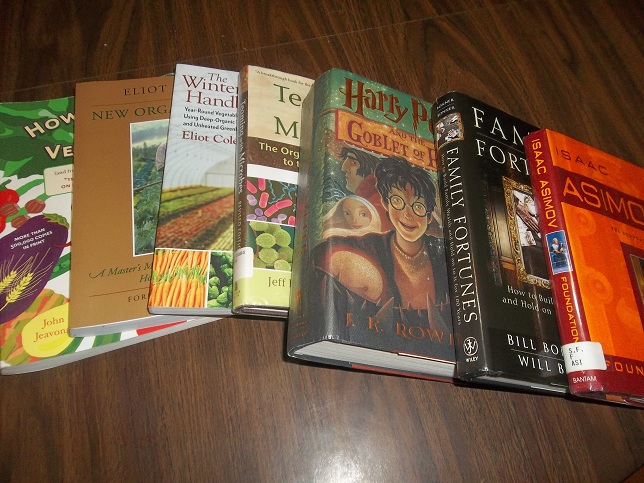
We are still reading Bill Bonner’s Family Fortunes.  We found a passage that seems familiar to us.

When we were driving through western Pennsylvania recently, we were struck by how cheap it would be to live there.  Houses are very inexpensive, at least compared to what we’re used to in the Baltimore-Washington metro area.  You could have your own garden.  A few goats, chickens and rabbits.  An old car.  A wood stove.  A library card and an Amazon account.

What more do you need?  Once you were set up, it’s hard to see what you could spend money on.  There are no shops worth frequenting, no restaurants worth dining at, no nightclubs, no theatres – not much of anything.

Would this be a barren and boring life?  Not at all!  Gardening, building, reading, visiting with friends, watching movies on the home computer.  What more could you want?  And with such low fixed costs, you could easily splurge from time to time with a weekend in Manhattan or Miami.

What would be a reasonable budget for a life like that?  Maybe $1,000 per month.

OK.  Well, I guess we’re living the dream…though I’m quite a bit west of western Pennsylvania.  I have a few thoughts on the passage above.  He’s not really writing about a dream life of gardening and chickens.  He’s writing about the need to minimize expenses in case your family fortune isn’t measured in millions.  In his example, he suggests a “fortune” of $300,000 at 4% interest to keep you in that $1,000 per month category.  With that, he thinks you could live quite well on your little farm in Timbuktu.  I think you can do better but let’s explore his example.

Garden:  With season extension your garden can provide a huge portion of your family groceries.  Check out The Winter Harvest Handbook, How to Grow More Vegetables.  Get yourself a small greenhouse and you should be in pretty good shape.  Just go out and get your hands dirty.

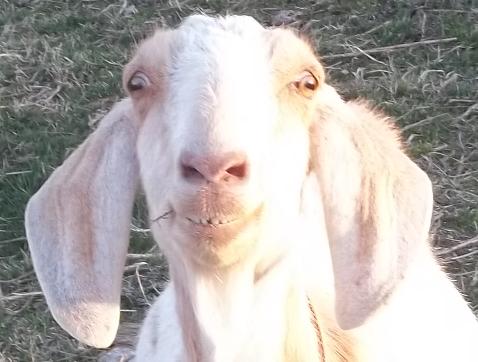
Goats: Ugh.  Sorry Caitlyn.  Goats are great because they are small enough to manage and they are generally fun to be around (does anyway).  BUT they jump fences, crawl under fences and turn themselves into a fog and pass right through fences.  They’ll destroy your fruit trees if given the chance.  They’ll help themselves to your lovely broccoli plants.  In short, they’ll compete with you for things you want to eat.  Even if you manage to keep them fenced (we keep ours fenced…now) it’s hard to keep things they like in front of them.  Goats like browse.  They want to eat tree leaves and woody, growing tips of branches.  There are a few weeds they like to eat.  This is a good thing early on if you live on neglected ground.  But after a season or two, the voracious appetites of your goat friends will have the weeds and brush under control.  Then what?  Well, they don’t eat grass.  So I guess you’re going to have to feed them alfalfa hay.  Remember Bill’s goal of living under $1,000/month?  It just went out the window.  
I’m going to suggest you buy raw milk from a neighbor or, if you have the room, get yourself a miniature dairy cow, specifically searching for a low-maintenance animal that does well without grain.  The goal is efficient conversion of sunlight into product and cows are just better at it than goats if your soil is in any kind of condition at all.  Milk is a great source of health and wealth on the farm as you can feed yourself, your pigs or even your chicks with milk.  Even the soil benefits from a feeding of milk.  But goats, as great as they are, may not be the best means to that end.

Chickens and Rabbits:
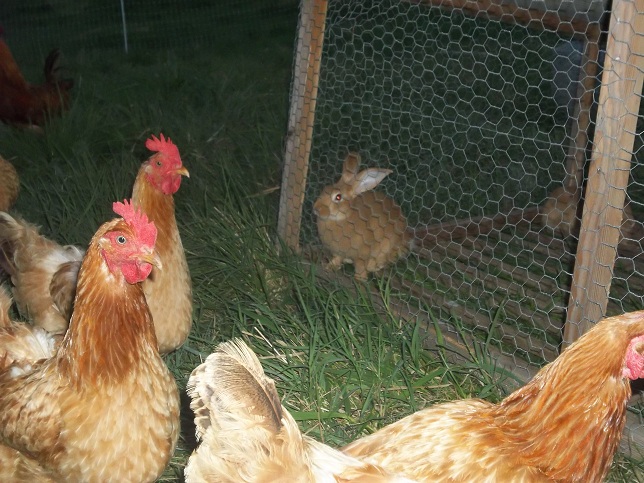
I absolutely agree.  But, if you’re looking to minimize expenses, just keep a few hens for eggs.  Better yet, keep a few ducks as they will eat more grass and weeds than hens.  Rely on the rabbits to provide the meat.  Kept for those purposes, you can mostly feed both out of your garden…and you can mostly feed your garden out of the chickens and rabbits.  Meat birds require a lot of time and energy.  Meat rabbits just don’t.  Four heritage layers will keep your family in eggs for two years.  Then you get a few replacement birds and make soup with the old ones.
Old Car?  Check.

Wood Stove?  Check…but not installed yet.  It would be better to go with a rocket mass heater so you wouldn’t have to own a chainsaw, just a good pair of loppers.

Library Card?  Check.

Amazon Account?  Check.  But it requires restraint.  It’s easy to fill your bookshelves or your Kindle with books you’ll never get around to reading.  Budgets have to include time.  Time.  Where does it all go?

$300,000?  Nope.  Not even close.  We have tens of dollars.  Dozens even.  But we’re moving in the right direction.

Other than that I’d say he’s not far off.  If we didn’t have a house payment and didn’t drive to town for work every day our monthly outflow would be something on the order of $1,000.  The difficulty comes when we need to make capital investments in our property to increase fertility, productivity or water retention…but I’m looking at it as a business and he’s just looking for a place to live.

I would also suggest a pig or two for your thrifty homestead to consume garden waste, orchard waste, kitchen waste and sour milk.  Mmmmm…bacon.

Well, those are my thoughts on it.  Let me know your thoughts in comments.

Compound Interest

You have savings.  I need capital to get things rolling.  I interest you in allowing me to use your savings by offering to pay you a little more than I borrow when I repay you.  This also rewards you for taking a chance on me.  The difference between what I borrow and what I repay with time factored in is the interest rate.  If I loan out my money at 1% over 70 years it will double.  If I loan out money at 70% for one year it will double.  If I continue loaning out the principal and any interest earned I earn more.  And more.  And more.  It’s compound interest.

Bill Bonner covers this in Family Fortunes: How to Build Family Wealth and Hold on to it for 100 Years.  He says old money sits.  Old family money moves slowly.  It doesn’t get consumed.  It is guarded and at the right times is nurtured into growth.

Is this interesting?  Well, yes but no.  But it happens all the time on the farm.

If I were to foolishly breed rabbits, then breed their bunnies and the rabbits, then breed three generations without harvesting from the stock you would see your interest compound.  But you would lose money…

My wife’s aunt and uncle are tireless supporters of our efforts on the farm.  They are also an example to us of what could be.  Each year they host events at their house selling splits and starts from their garden.

This year they surprised us with coneflowers, red bud trees an, most recently, daylillies.

I think daylillies are a good example of compound interest.  Unlike rabbits, they don’t taste very good [Turns out I’m wrong.  See comments].  Their value is in their continued existence.  But their continued existence and health multiplies them.  So you split the cluster and plant them again.  And again.  And again.  Before long you have so many daylillies you are looking for a niece to give them to.  Like old family money, old family daylillies are guarded, nurtured and grown over time.  Time.  How do we make daylillies?  The old-fashioned way.  We grow them.

So here is our daylilly savings account.  They gave us 10 different varieties.  Someday it may look more interesting.  I had to plant my flag on some new garden territory here so…

I know this is a farm blog but what’s the fun of gardening if you don’t have something pretty to look at too?  My kids like flowers.  I like flowers.  My wife likes flowers.  And our interest is compounding.  Who knows?  Maybe we’ll start propagating plants too.  Gotta do something interesting with all our free time.

Misleading Averages

Averages are just average.  No real magic here.  Averages are descriptive, not predictive, and macro, not micro.  Take enough years worth of weather information and you’ll see a picture of “normal” with the understanding that in any given year there is no normal.  Graph the data, zoom out and it all looks normal.  The bumps along the way smooth out.  The trend appears.  The lie appears.  Those bumps along the way when you’re in your pasture trying to keep livestock alive when it’s 114 and hasn’t rained in weeks?  Those are part of the normal.  But the average rounds them down.

Averages lie.  I enjoyed reading Walt Davis’ book How to Not Go Broke Ranching.  In that he jokes that his part of the world gets an average of 30″ of rainfall but in reality he gets 90″ one year and nothing for another two.

On average we get 3 inches of rain in August.  We got closer to 9 last month (4.5 in 2 hours on Aug. 2nd) with more coming today.  The ponds are full, the creeks are swollen, my gutters runneth over.  Where was this rain in July?

But it will add to the new average.  On average we get 32″ of rain each year.  Sometimes we get more than we can swallow, sometimes we’re in drought.  Heck, last year we went 5 months without rain.  That’s normal.  But the average dictates we SHOULD get about 3″ each month.

I need to find ways to store more water…to sponge it up, to hold it back and to deliver it where it is needed the most.  That way I can survive the normal drought and hold back the normal flood.

There are all kinds of ways to do this.  Keep up with us as we explore our options over the next few decades.

If you don’t find this an interesting problem to solve I would invite you not to become a farmer.  Maybe you should get a nice place on the edge of town.  Maybe get a big lawn mower and a couple of fruit trees and deck/patio surrounding a pool and invite your farmer to come for a swim on a hot day.

I’m in a hurry to get started this morning before the rain returns.  I need to move chickens, pigs and goats then lay out a few more paddocks for the cows so I’ll try to update this with some interesting pictures later when it starts raining.  No promises though.

Raking and Baling

Dad raked the hay late Wednesday morning while I was working.  He began by raking every other row then turning the rig around and raking the ones he missed into the already raked one.  Two, two, two windrows in one. (Let me know in comments if anybody got that reference…)

Then, late in the afternoon, after your tireless but tired author got off work, it was time to bale the hay.  Until then I had never run the baler.  I am the stacker.  But there was no limit to my sneezing that day so dad took over at the halfway point and my kids filmed and narrated.

My 8 year old has lots to tell you.  I think it’s hilarious.  He made 40 minutes of video and never stopped talking.

I hope I’m as young as my dad is when I’m his age.  Anyway, it went OK.  There is a lot to keep track of driving the tractor.  Stuff I had never thought of before.  You have to drive close to the windrow turning left and far when turning right…but not too close or too far.

Running the baler was important to me.  As we read Jim Minick’s The Blueberry Years, we took note of several times he pointed out having helped with a job but never been in charge of a job.  As a consequence, he didn’t really know how to do the job.  I need to know how to do the job (whatever the job is) from start to finish.  It was important that I run the baler this time.

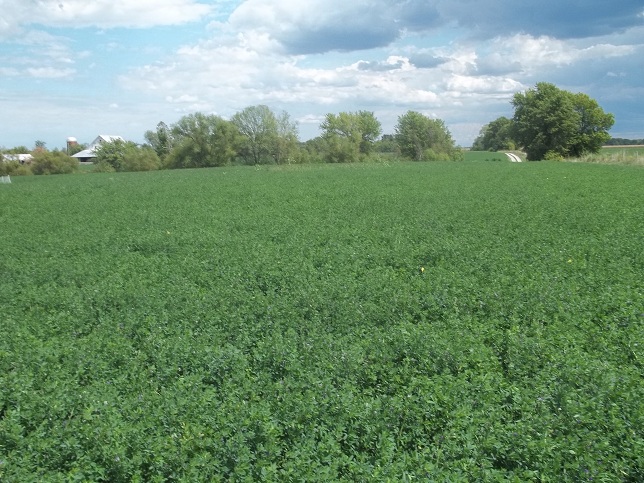
Our alfalfa field looks denuded in the video but in the week since we baled it has rained and the field has greened up considerably.  Hurricane Isaac should bring us rain this weekend too.

The alfalfa hay took us about an hour to bale.  Then I worked on the garden with some of the kids while dad and other children greased and cleaned the baler to prepare it for winter storage.  The hay conditioner, rake and baler have all been cleaned up and put away.  Another season down.  Over the weekend we unloaded the wagons and stacked the bales neatly in the barn.  There is still more work to do but at least that job is behind us.

Composting 101: How to do it

I was in Worm’s Way last spring and overheard a customer asking about making compost.  I thought the employee was skirting the issue and since I can’t keep my mouth shut I offered a summary: “If it stinks, add carbon.  If it isn’t hot add nitrogen.”  That may be an oversimplification so I’ll try to lay it out in more detail.

We have composted for years.  Initially I took it very seriously.  I sunk posts and made a perfectly square pair of 3x3x3 bins for composting.  I turned my piles regularly and religiously.

Now I am much more relaxed about it.  Stuff rots.  It just happens.  I don’t even have to be involved, let alone break my back stirring it, unless I need to speed things along.  That said, I think there is a happy medium between rapid, intensive compost management and slow, smelly, neglected piles.

Just a few things to keep in mind as you conceptualize your compost pile.

1. You can’t screw this up.
2. The hot, working compost pile is a living organism, or rather, a community of trillions of individuals but should bee seen as one.
3. Living things don’t smell rotten.  Compost should not smell rotten.  Add carbon.
4. The compost monster likes to be moist, not wet.  Add carbon.
5. The compost monster shouldn’t be compressed.  It needs to be able to breathe.  Add carbon.
6. If your pile is moist and has plenty of air space but is not hot, add some nitrogen.
7. This is not a science…or a competition.

Most people tell you about ratios required for making compost.  “You need C/N ratio of 30:1.”  Really?  What does that mean?  Usually I just have a bucket of carrot peelings and newspaper.  Ratios?  I have to do math?  …AND CHEMISTRY!  Really?!?!  As Tyler Durden said, “…stop being perfect…let the chips fall where they may”.  He’s right.  Again, if your compost pile is wet or stinky, add some carbon (straw, sawdust, shredded newspaper, fallen tree leaves).  The added brown material will also help the pile breathe.  If it’s not hot and cooking, add nitrogen (grass clippings, fresh horse manure, urine).  I also find it is helpful to keep a thick layer of straw, grass or other course brown material on top of the pile to retain moisture and filter odors.  Whatever you do, stop worrying about your compost.  There is room for error here.  Stop making excuses and just get started.

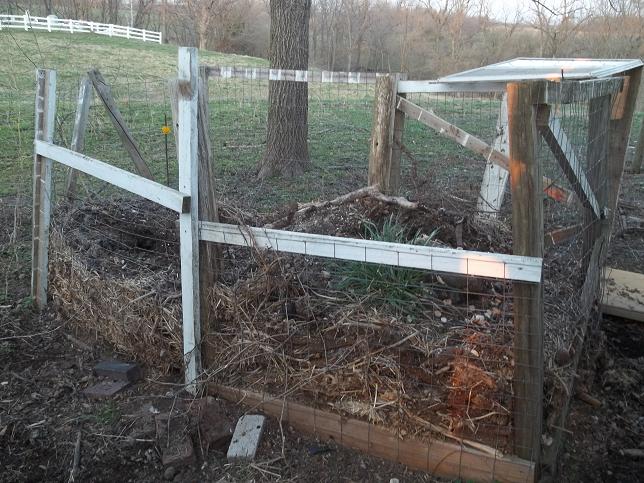
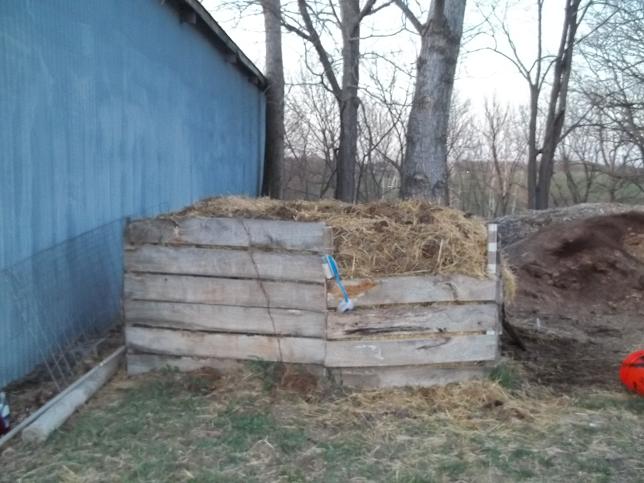
Where to start?  Make a pile.  Any pile.  Put four pallets together in a square or get a length of fence and put it in a ring.  Done.  That said, I can’t seem to make a compost pile large enough.  As I said above, I began above with 3x3x3.  That is almost enough mass to keep it hot and working in the winter in zone 5 and is a good size for someone with a small yard in town.  I, however, no longer live in town so I made a 4x4x4.  That wasn’t big enough so I had to double it.  Here is our two-year old pile, composted, compressed, and ready to use:

Last year we increased our pile to 5x5x4 when we began composting humanure and about 1,000 pounds of chicken guts hoping it would be big enough.

It wasn’t.

Now I’m using pallets to make a 6x6x4 compost pile that could easily become 9x6x4 or even 12x6x4.  I just have to add more pallets.

But I’m on a different timeline than many gardeners.  I make so much compost and have so much space that I don’t mind if it takes 2 years to make compost.  But you may need the fertility immediatly.  If so, there are options.

One option is a composter.  Though not my style, I like the look of the Lifetime 80-gallon composter.

Click the image for more detail including a video.  That composter appears to be a way to compost without ticking off your suburban neighbors.  It also creates the compost fairly quickly.  John Kohler suggests you keep two of these, one you add to regularly, one that is finishing up.  Please notice how hard John has to work in his video.

If you’re doing a larger amount and your back is strong you can make two piles and just switch between them every day for two weeks to end with finished compost.  That sounds good…until about day 4.

What about compost activator?  What about wood ashes?  What about lime?  Meh.  John Kohler above says to add rock powder.  Again, meh.  If you need lime in your garden add it directly to your garden.  Same with ashes and rock powder.  I think compost activator is something they sell to suckers.  The organisms that break down scraps already live in your yard.  They’ll start working quickly.  That said, I usually add a bit of finished compost to a new compost pile.

Now, if you don’t want to bother with a compost pile I have good news.  You can just do sheet mulching.  Just make several layers of compostable materials over your garden bed and bury your compost in the mulch.  The worms are already there, the nutrients will be used in place.  You can’t screw this up.  Though I don’t entirely agree with this, here’s what Bill Mollison has to say about it in Introduction to Permaculture:

So what have you done by composting? You have worked hard to decrease the nutrients badly. Most of them go into the air. Composting consumes them. We want to get right out of composting. We want to get back into sheet mulching. In composting, you are taking a lot of material, putting it into a small place, and letting the whole of the decomposition activity happen under hot conditions which can be appropriate for some things. When you mulch, you are spreading those materials and letting the process occur much more slowly on the surface of the soil. Any leach loss goes into the soil, and the general level of activity spreads across the whole of it. By the time the mulch has reduced to compost, most of the action has finished. If you want to get maximum value out of what you have, sheet mulch it. If you want to increase your nutrient base, do it efficiently.

In this picture, I have a 4″ layer of manure and hay covered by a 4-6″ layer of composted wood chips.  This is covered by a thin layer of bedding out of the chicken house (manure and sawdust).

This is my attempt at a Back to Eden garden.  I’ll leave these layers as they are until spring when I’ll plant directly into them.  As Bill suggests above, I could scratch a hole deep into the layers and deposit compost here.  We produce an enormous volume of compost, much of which is meat scrap.  I have enough trouble with animals digging in my garden already.  We work to efficiently compost meat scrap and manures in a heap though, yes, I have to haul it there then haul it out.  I honestly don’t know how to measure the nutrient loss Bill describes.  I assume my compost pile is not 100% efficient but that’s part of the reason I’m always building it in different places.  But, hey, wear what you dig.

Any way you do it, it’s well within your ability to compost.  Build a pile, use a turning machine or bury it in the garden.  Your choice.  Just do your best to minimize the waste coming out of your house.  Do your best to maximize the nutrients returning to your garden.

For additional reading I highly recommend the Humanure Handbook.  Even if you are not interested in humanure, the book is an excellent reference on composting.

For your final exam, choose a method of composting to begin using then report in the comments on its progress and your experience.

Composting 100: Why bother?

Why bother composting?  I can’t believe you asked that question!

To abuse Renault’s line, “I’m shocked.  Shocked! to find that composting is not going on here!”

I have to admit composting is not the easiest thing in the world to do.  Don’t get me wrong, everything rots in time but if you want quality compost, in a reasonable amount of time without creating a buffet for varments and without an odor, you have to work at it.  It’s not simply a matter of throwing banana peels and grass clippings in a pile by the garden and 2 weeks later…voila…compost.

Further, you have to gather the stuff in your kitchen and/or yard.  That can be unpleasant.  That what’s-it that went bad in the jar in the fridge?  You know, that stuff that has grown hair since you forgot about it at least a month ago?  That’s compost.  That sour milk?  Compost.  Paper plates from the birthday party?  Compost.  But instead of dropping all those things in the trash, tying the top of the bag and setting it out for the trash man, taking precautions to keep masked bandits out of it you are going to drop all those things in a bucket, put a lid on and dump it in your compost pile, taking precautions to keep masked bandits out of it.

What happens when you do this?  You remove 40-50% of the waste, possibly more if you normally set out yard waste.  You’re putting out half the trash you normally do (less if you recycle diligently).  Your trash doesn’t stink or attract animals.  The trash company either stops by less frequently or hauls less weight.  Either way, you are cutting fuel usage.  All that stuff you keep gives you nicer flowers, healthier grass and happier worms.  This is the heart of stewardship.  Not sorting compost is the same as putting a $5 bill in every bag of trash.  Compost has value.  If you send it to the landfill you have wasted a valuable resource…not to mention the money we, as a nation, literally flush down the toilet.

As a real world example, our family now produces two large trash bags each month.  We produce about one bag worth of recycling.  We produce at least three bags worth of compost and we burn a fair portion of our paper goods and use the ashes on the garden.

So, class, your assignment is to start paying attention to your waste.  What are you throwing away that would rot?  Begin paying attention.  Kleenex?  Coffee Grounds?  Banana peels?  Lawn clippings?  Keep your eyes open.  Next time we’ll get into the mechanics.

Cheesy Potato Soup

Cheesy Potato Soup is one of our family’s favorites.  With our plethora of potatoes right now we have this soup at least once a week.

Start with homemade chicken broth made from Chism Heritage Farm Chicken backs and necks.

While the broth is finishing up fry a pound of ground pork.

Next add about a 1/4 cup of sausage seasoning.  (You could just use a pound of breakfast sausage.)

Filter about 8 cups of the chicken broth.

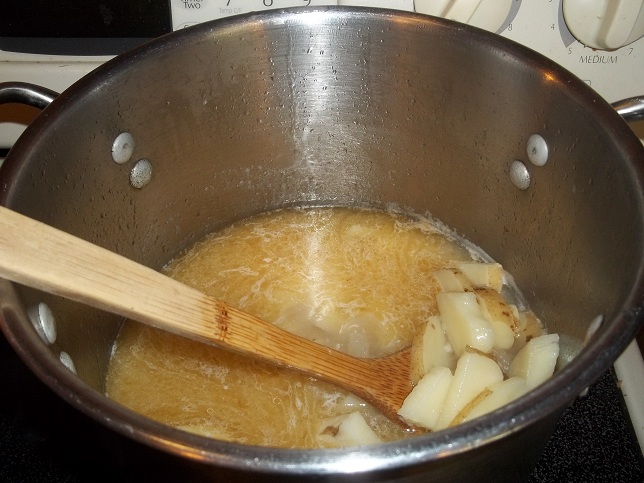
Use the broth to cook 8 large diced potatoes.

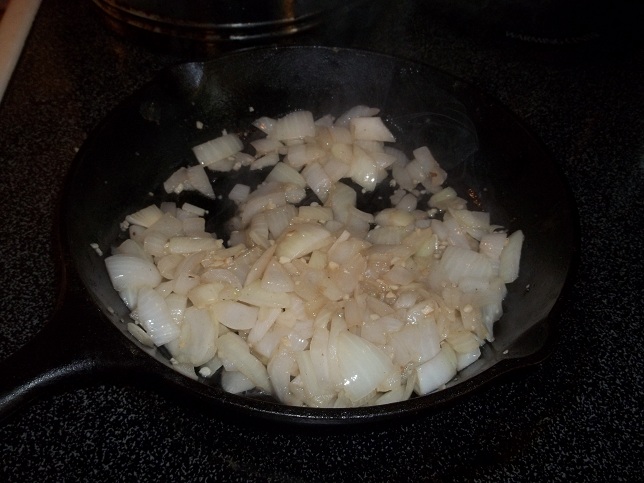
While the potatoes are cooking, saute 1 onion and 1 pressed garlic clove.

When the potatoes are tender (usually takes about 20 minutes), mash the potatoes.

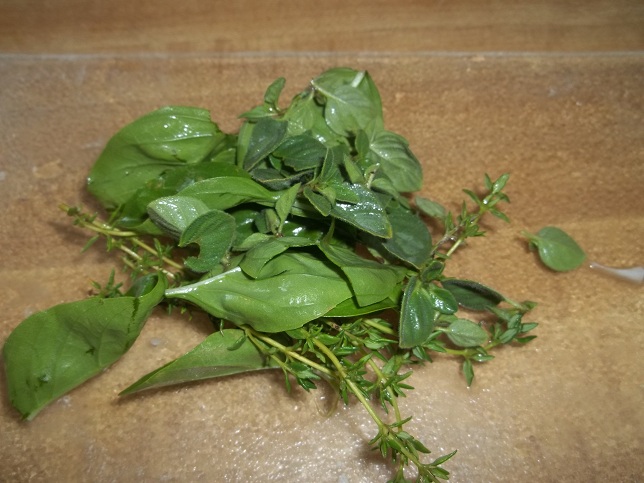
Add your spices.  This time I used about a handful of herbs I pulled from our garden.  I chopped up the basil, oregano, and thyme and added it to the soup.

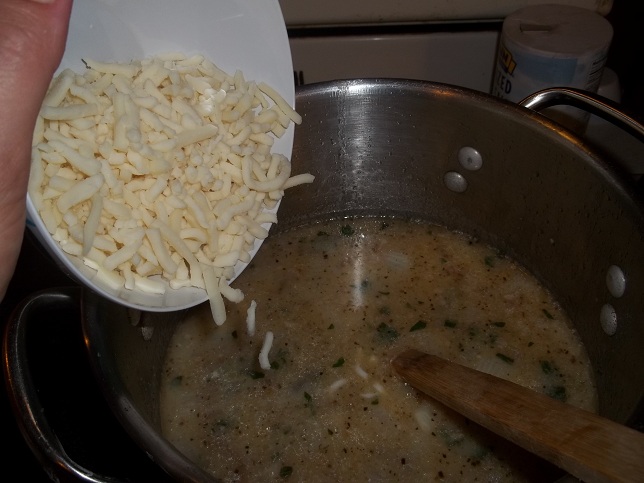
Next, add about 2 cups shredded mozzarella.

and 2 cups shredded cheddar cheese.

Pour in about 2 1/2 cups of milk.

Stir soup consistently till cheese is melted.  Add salt and pepper to taste.

This makes a large batch of soup.  It fed my family of 6 last night, today for lunch and there is enough to send in Farm Steward’s lunch tomorrow.

My great, great uncle

This is my great, great uncle Dick (in 1896 or 1897).

This is the house that my great, great uncle Dick built in 1912.

These are the children who lay in the house my great, great uncle Dick built in 1912.

This is the field that surrounds
the children who lay in the house that my great, great uncle Dick built in 1912.

You see where I’m going with this?

Thanks Great, Great Uncle Dick.  Happy 100th birthday, house.

(Forgive me for using such dated pictures.  I hate to tell you how long ago I wrote this post…)

Mowing Hay in Pictures

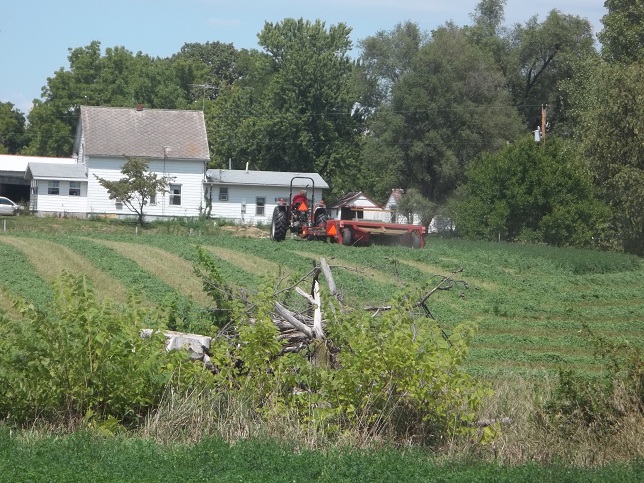
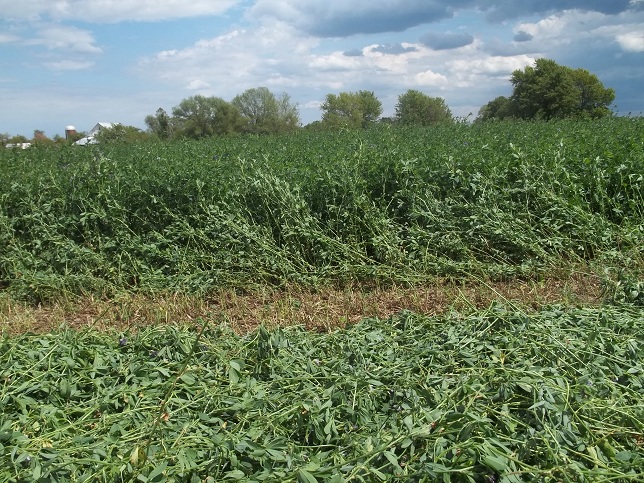
We made our final cutting of alfalfa on Sunday.  My eldest son and I took a few pictures as dad was cutting the hay.  It was neat to see the swallows swooping in and grabbing bugs behind the mower.  There were also quite a few dragonflies out.  Most of the dragonflies and swallows are already on their way out.  Dad noticed the barn swallows started leaving about 10 days earlier than normal this year.

Watch for the swallows catching bugs in this video:

Farm Bank Deposits

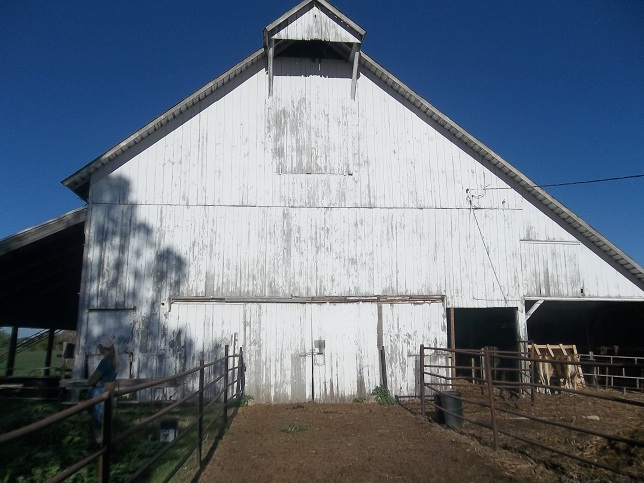
Northern people have always been savers.  Those that didn’t save didn’t make the winter.  Those that saved may have made the winter.  Farmers are savers.  We are savers.  Unfortunately, we don’t have any money.  We save sunshine.  This is the main branch of the First Chism Heritage Farmers Bank, established in 18??.  We keep our sunshine here.

Isn’t it majestic? (don’t mind the paint job or the leaky roof)  Several times each year we walk up to the teller’s window to make a deposit.

Then, to keep banking fees to a minimum, we head into the vault to help arrange, sort and stack the deposits.  Here’s a small portion of this year’s deposits.

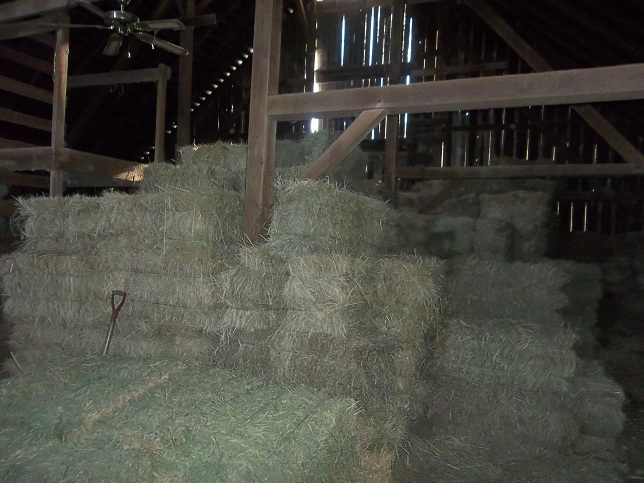
In the foreground you can see a low stack of sunshine in the form of alfalfa bales from the third cutting.  Further back, among the posts, is more sunshine in the form of grass hay we cut earlier in the year.  To the left (and out of the camera) is an absolute mountain of alfalfa hay.  There are also a few fair piles of straw tucked away here and there.  Tons and tons of sunshine.  Think of the different kinds of hay as different kinds of currency and I’ll keep my lame bank analogy running.  When withdrawals are needed we head into the vault, determine which kind of currency is in demand that day and grab a whole bale of it.

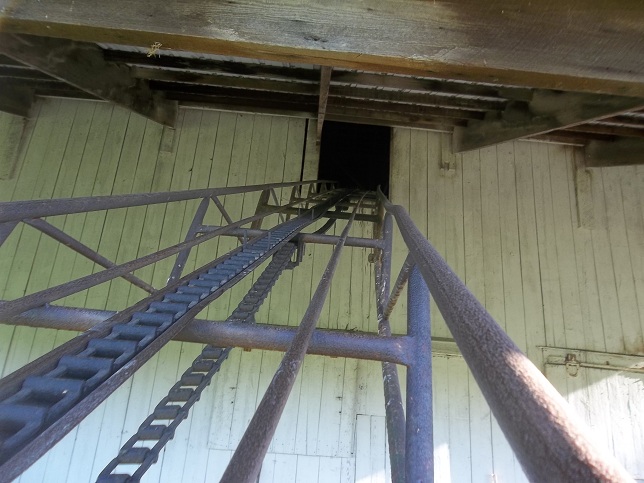
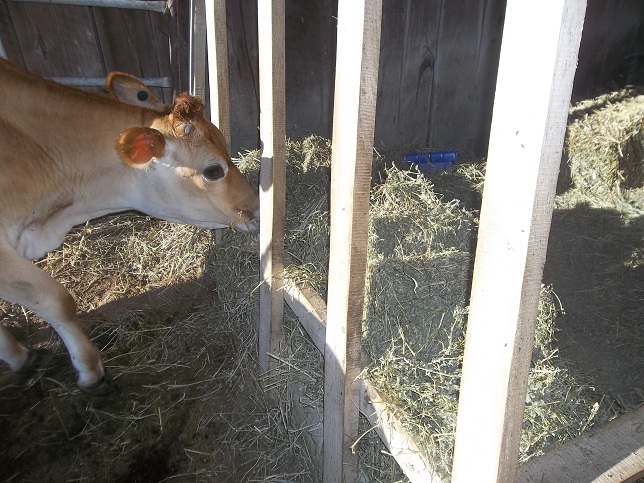
Since this is a farm economy (and something of a closed loop) any withdrawls from the loft vault are soon to become deposits somewhere else.

Then deposits somewhere else.

Then deposits somewhere else.

Then out to the alfalfa field.  Just add sunlight and a dash of rain and we’re ready to fill the barn vault again.